


Views: 0 Author: Site Editor Publish Time: 2026-02-09 Origin: Site


In the evolving world of textiles, Lyocell fiber has emerged as one of the most innovative and sought-after materials. It offers a unique balance of performance, comfort, and environmental responsibility. But what exactly sets Lyocell fiber apart in a crowded market of natural and synthetic fibers? This article explores the science, production, and market dynamics behind Lyocell fiber, revealing why it’s rapidly becoming a game-changer in the textile industry.
At the heart of Lyocell fiber lies cellulose, a natural polymer extracted from sustainably harvested wood pulp — primarily eucalyptus, beech, and spruce trees. Unlike many traditional fibers, Lyocell fiber production leverages cutting-edge closed-loop technology that recycles almost all solvents used in processing. This drastically minimizes environmental impact compared to viscose and polyester production.
Our company, based in the Peixian Economic Development Zone, is a leader in producing Lyocell fiber, with an annual capacity exceeding 60,000 tons. Utilizing the advanced “wet-laid” process, the company’s proprietary technology ensures high fiber quality and minimal waste, meeting top international standards. This technology not only improves production efficiency but also enhances fiber uniformity and strength — critical factors for downstream textile manufacturing.
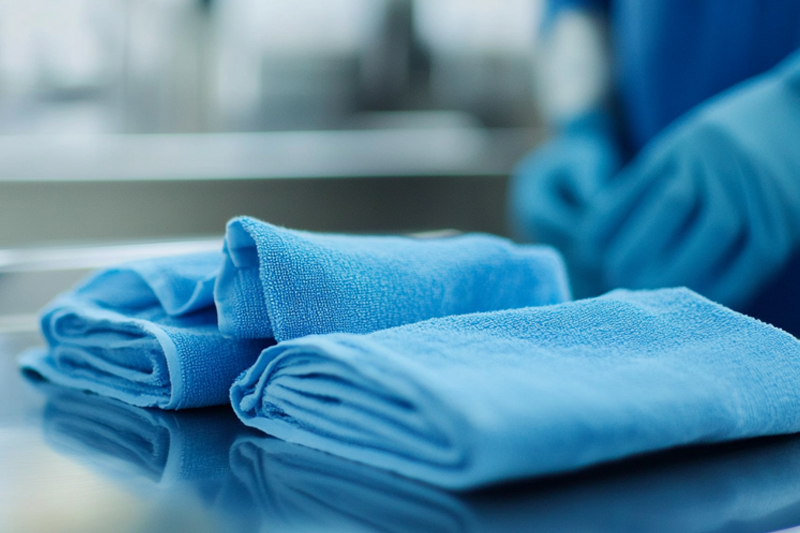
Lyocell fiber is recognized for its remarkable combination of high dry and wet strength, outperforming traditional viscose fibers and rivaling polyester. This makes it a favorite raw material for spinning yarns with high tensile strength and durability.
| Feature | Lyocell Fiber | Conventional Viscose | Cotton | Polyester |
|---|---|---|---|---|
| Dry Strength | High, similar to polyester | Moderate | Moderate | Very High |
| Wet Strength | Retains 85%-90% | Drops by 50% | Drops significantly | Retains fully |
| Moisture Absorption | Excellent | Good | Good | Poor |
| Biodegradability | Yes | Yes | Yes | No |
| Environmental Footprint | Low | High | Moderate | High |
This combination of strength and moisture management not only enables Lyocell fiber to withstand harsh spinning processes but also contributes to fabrics with superior wash durability and longevity.
The fiber’s smooth surface and fine structure give Lyocell fiber a natural silk-like luster and soft hand feel. For consumers, this translates into garments that feel luxurious and breathable, yet durable. Unlike synthetic fibers, which can trap heat and moisture, Lyocell fiber offers superior breathability and moisture wicking — making it a top choice for activewear and next-gen athleisure markets.
Consumer preferences are rapidly shifting towards products that align with environmental sustainability without compromising performance. While terms like “eco-friendly” and “sustainable” are sometimes overused, the facts speak: Lyocell fiber’s closed-loop production and biodegradability place it ahead of many competitors.
According to recent textile market reports, demand for regenerated cellulose fibers, including Lyocell fiber, is expected to grow at a CAGR of over 12% through 2030.
Apparel brands increasingly incorporate Lyocell fiber into collections to meet sustainability goals and attract eco-aware consumers.
One key reason Lyocell fiber stands out is its ability to balance environmental responsibility with high performance — unlike some eco-fibers that sacrifice durability or comfort. This dual appeal has opened doors not only in apparel but also home textiles, such as bedding and upholstery, where comfort and longevity matter.
No material is without challenges. The production cost of Lyocell fiber remains higher than that of viscose or polyester, which can limit adoption in price-sensitive markets. However, advances in technology and increasing scale are driving costs down steadily.
Our company’s scale—exceeding 60,000 tons annually—and proprietary technology put us at the forefront of overcoming these challenges by delivering consistent, high-quality Lyocell fiber that balances cost and performance.
Lyocell fiber stands out because of its closed-loop manufacturing process, higher wet and dry strength, and superior comfort properties compared to viscose and modal fibers.
Its raw material comes from sustainably managed forests, and the solvent used in production is recycled almost entirely, minimizing pollution and resource waste.
While not a direct one-to-one replacement, Lyocell fiber offers complementary advantages such as higher strength, better moisture management, and lower environmental impact, making it increasingly popular as a cotton alternative.
Commonly used in apparel (especially athleisure and luxury clothing), home textiles (sheets, towels), and nonwoven products (medical textiles), Lyocell fiber’s versatility is expanding rapidly.
As the textile industry confronts climate change and consumer demand for sustainability, Lyocell fiber emerges as a beacon of innovation. Its combination of excellent physical properties, eco-friendly production, and versatile applications ensures it will play an increasingly critical role in the global textile market.
Our company’s commitment to green technology and industry-leading production capacity ensures that high-quality Lyocell fiber is accessible to manufacturers worldwide, empowering brands and consumers to make better, smarter textile choices.


