


Views: 0 Author: Site Editor Publish Time: 2025-12-16 Origin: Site


Lyocell has rapidly ascended the ranks to become the "miracle fabric" of the sustainable fashion world. It promises to bridge the difficult gap between the natural luxury of silk and the rugged performance of synthetics. For many eco-conscious consumers, it seems like the perfect solution to the industry's pollution problems. However, the marketing buzz often obscures the practical realities of owning it. This material commands a premium price and demands specific care routines that some buyers find tedious.
Is the financial investment truly justified by its performance and environmental claims? This analysis moves beyond basic definitions to evaluate lyocell fiber through a strictly buyer-focused lens. We will weigh its longevity, unique skin-feel, and genuine sustainability against the hard realities of cost and maintenance. You need to know if this fabric fits your lifestyle before you commit to the price tag.
The Sustainability Reality: Lyocell is significantly cleaner than viscose due to closed-loop processing (99.5% solvent recovery), but raw material sourcing (forestry) remains a critical validity factor.
Performance ROI: Offers 50% better moisture absorption than cotton and superior wet strength compared to other rayons, making it ideal for activewear and bedding.
The Maintenance Trade-off: While wrinkle-resistant, Lyocell is heat-sensitive. High-heat drying can degrade the fiber, increasing the "Total Cost of Ownership" via specialized care.
Buyer Beware: Not all Lyocell is equal. Branded options (like TASKER) guarantee sustainable forestry, whereas generic options may contribute to biodiversity loss.
When you see a higher price tag on a set of lyocell sheets or a dress, you are paying for specific engineering advantages. We need to translate these technical features into tangible benefits that impact your daily life. The value proposition relies heavily on comfort, hygiene, and environmental ethics.
The most immediate benefit users notice is the moisture management capabilities. Lyocell fibers possess a unique nanofibril structure. These tiny canals create high hydrophilic properties, meaning they love water. In practical terms, lyocell absorbs roughly 50% more moisture than cotton.
This is a game-changer for "hot sleepers" or those living in humid climates. The fabric quickly wicks sweat away from the skin and into the fiber’s core. This keeps the surface dry. A drier fabric environment is crucial because it naturally inhibits bacterial growth without the need for chemical additives. If you have sensitive skin, this reduction in surface moisture can significantly reduce irritation and odors.
For the ethically minded buyer, the production process is the strongest selling point. Traditional Viscose (Rayon) relies on carbon disulfide, a toxic chemical that can harm workers and the environment. Lyocell replaces this with NMMO (N-Methylmorpholine N-oxide), an organic solvent.
The magic lies in the recovery system. Manufacturers recover and reuse 99.5% of this solvent in a "closed-loop" process. Furthermore, the process water usage is approximately 20% lower than that required for cotton cultivation. This makes it a legitimate Eco-fashion Material, provided the wood pulp is certified. You are buying into a system that minimizes industrial waste.
Many plant-based fibers, particularly standard viscose, have a fatal flaw: they get weak when wet. If you have ever had a rayon shirt tear in the washing machine, you have experienced low "wet modulus." Lyocell is different. It maintains high crystalline orientation.
This gives it exceptional structural integrity even when saturated with water. Unlike viscose, which becomes fragile in the wash, lyocell resists tearing and pilling during agitation. This extends the garment's lifecycle significantly. You essentially buy the item once, rather than replacing cheaper, fragile alternatives repeatedly.
Finally, there is the luxury factor. The fiber has a smooth surface that can be manipulated to vary its luster, from matte to high shine. It mimics the elegant drape of silk but retains the comforting weight of high-quality cotton.
It acts as a naturally Wrinkle-resistant Fabric due to its elasticity and weight. While it isn't iron-free like polyester, it releases creases far easier than linen or cotton. This reduces the need for ironing, which saves you time and saves energy in the long run.
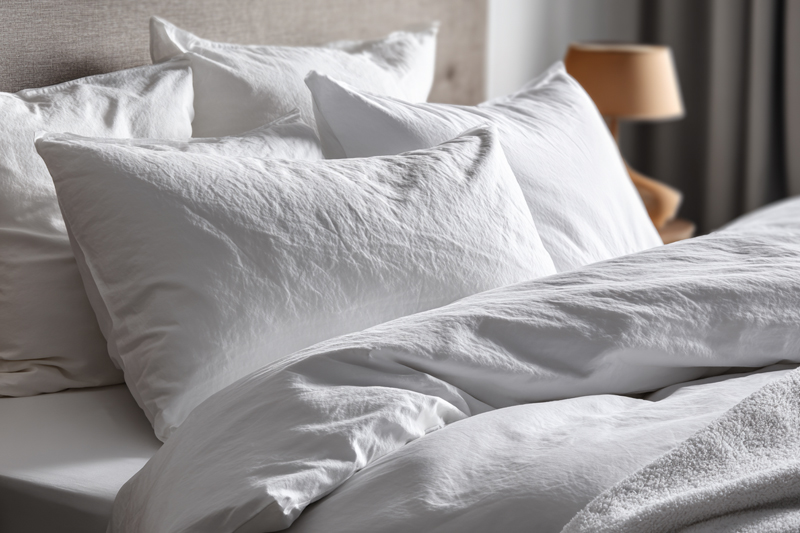
Despite the benefits, lyocell is not perfect. It has a specific "Total Cost of Ownership" (TCO) that involves more than just the purchase price. There are hidden environmental risks and maintenance hurdles that buyers must navigate.
The most common complaint from new owners is accidental damage during laundry. The cellulose structure of lyocell destabilizes under high heat. This is a critical vulnerability.
Common Care Mistakes:
High Heat Tumble Drying: This causes extreme shrinkage and can make the fabric feel brittle.
Hot Water Washing: Can fade colors and degrade the smooth hand-feel.
Aggressive Ironing: Direct high heat can scorch the fibers (shine marks).
You generally cannot tumble-dry these items on high settings. They require cold or warm wash cycles and low-heat or air drying. If you fail to adhere to these care labels, you risk permanent texture damage, often described as "hardening." If your household routine involves throwing everything into a hot dryer, lyocell may not survive.
Lyocell is a premium material, not a budget commodity. The complex solvent-spinning technology requires massive capital investment. Facilities like those built by Lenzing cost hundreds of millions of dollars.
Consequently, the price point is consistently higher than cotton or polyester. You will rarely find "cheap" lyocell that is of high quality. If the price seems too good to be true, it is likely a blend with a lower percentage of actual lyocell fiber.
Sustainability is only as good as the raw material. Generic lyocell often utilizes Eucalyptus wood pulp. While the process of making the fiber is clean, the source of the wood might not be.
Intensive Eucalyptus monocultures in regions like Spain and Portugal have drawn criticism. They can act as "green deserts." These plantations may deplete groundwater tables and increase forest fire risks due to the trees' flammable oils. Buyers must verify the source of the wood (looking for FSC/PEFC certifications) rather than just trusting the generic fiber name.
From a manufacturing standpoint, lyocell has lower surface energy compared to cotton. This can make dyeing it tricky. It requires specialized processes to achieve deep, vibrant colors.
If a manufacturer cuts corners here, the garment may suffer from "fibrillation" where the surface fibers whiten, making the color look faded or "frosted" after a few washes. High-quality brands use enzymatic treatments to prevent this, but it adds to the cost.
To help you shortlist the right material for your needs, we have compared lyocell directly against its three main competitors: Cotton, Viscose, and Polyester.
| Feature | Lyocell | Cotton | Viscose (Rayon) | Polyester |
|---|---|---|---|---|
| Breathability | Excellent | Very Good | Good | Poor |
| Moisture Wicking | High (Absorbs) | Moderate | Moderate | Low (Traps sweat) |
| Durability (Wet) | High | High | Low (Fragile) | Very High |
| Sustainability | High (Closed Loop) | Variable (Water heavy) | Low (Chemical heavy) | Low (Plastic based) |
| Price | $$$ | $ - $$ | $ - $$ | $ |
This is the most common debate for bedding. Choose Lyocell if you prioritize moisture-wicking, softness, and wrinkle resistance (ideal for travel or smooth sheets). Choose Cotton if you prefer the "crisp" feeling of percale sheets, need a lower price point, or want "throw-it-in-the-dryer" durability without worry.
In this comparison, Lyocell is the clear winner for both sustainability and strength. Viscose is strictly a budget alternative. While Viscose feels soft, it sacrifices environmental compliance due to toxic wastewater risks. It also lacks longevity because it loses significant strength when wet, leading to holes and tears.
The choice here depends on your stance on plastics. Lyocell is a Biodegradable Textile that breathes naturally. Polyester is a petroleum-based heat trap that sheds microplastics. You should only choose Polyester for extreme durability needs, such as waterproof outerwear, where biodegradability is not the primary factor.
Not all products labeled "Lyocell" deliver the same performance. Use this checklist to ensure you are getting the quality you are paying for.
The safest route is to look for branded fibers. If the label just says "100% Lyocell" with no brand backing, the origin of the wood is unknown.
Manufacturers often blend fibers to lower costs or alter performance.
100% Lyocell: This is best for sheets and luxury loungewear where you want maximum breathability and the "cool-to-the-touch" sensation.
Lyocell/Cotton Blends: These offer improved durability and a lower sheen. They are excellent for daily apparel like t-shirts or trousers.
The "Greenwashing" Blend: Avoid items with 5% Lyocell and 95% Polyester that are marketed as "Eco-Friendly." The small amount of lyocell offers no real performance benefit and is used solely for marketing leverage.
If you are buying generic lyocell, look for third-party validations. Oeko-Tex Standard 100 certifies that the final product is free from harmful chemicals. FSC (Forest Stewardship Council) certification on the tag ensures the wood pulp didn't come from ancient or endangered forests.
Lyocell represents a significant upgrade over traditional Rayon and stands as a formidable performance competitor to Cotton. It is specifically superior for moisture management and appeals strongly to eco-conscious buyers who want luxury without the guilt.
However, the premium cost is only justified if you are willing to adhere to low-heat care instructions. If you treat it like rugged denim, you will be disappointed. We recommend prioritizing branded products to ensure your environmental claims extend from the factory floor back to the forest. If you can manage the care requirements, the investment pays off in exceptional comfort and longevity.
A: Yes, lyocell can shrink about 3-5% during the first wash, which is standard for cellulose fibers. However, significant shrinkage occurs if you expose it to high heat. Always wash in cool water and avoid high-heat tumble drying to maintain the garment's original size and shape.
A: Yes, pure lyocell fiber is compostable and biodegradable in both industrial and home environments. It typically breaks down within a few months. However, if the fabric is blended with synthetic fibers like Spandex or Polyester, the textile as a whole is not biodegradable.
A: Lyocell is more expensive because it requires advanced solvent-spinning technology and expensive recovery systems, unlike cotton which is an agricultural commodity. The manufacturing process is high-tech and capital-intensive, whereas cotton prices are driven by farming scale. You are paying for the technology, not just the crop.
A: Generally, yes. While "Bamboo" sounds eco-friendly, it is usually processed using the dirty viscose method (high chemical waste). Lyocell uses a non-toxic, closed-loop process. Lyocell is chemically cleaner and physically stronger than standard bamboo viscose, making it a more genuine sustainable choice.


