


Views: 0 Author: Site Editor Publish Time: 2025-12-16 Origin: Site


From the fast-fashion racks of Zara to the luxury shelves of Hanro, lyocell has rapidly become a ubiquitous presence in modern apparel. Brands aggressively market it as a "miracle fabric," promising the soft touch of silk combined with the durability of polyester. However, in an era where sustainability claims are frequently exaggerated, consumers are right to approach these promises with skepticism. Is this material genuinely revolutionary, or is it simply another example of industry greenwashing wrapped in earth-tone packaging?
At its core, lyocell fiber is a semi-synthetic material that bridges the functional gap between natural fibers like cotton and synthetics like polyester. It is derived from wood pulp but processed using advanced solvents, creating a unique category of textile. This article moves beyond the glossy marketing copy to evaluate the material based on measurable performance metrics. We will assess its breathability, analyze its true cost-per-wear, and scrutinize its verified environmental impact to help you decide if it deserves a place in your wardrobe.
Performance: Superior moisture management compared to cotton; ideal for sensitive skin and humid climates.
Sustainability: Genuine closed-loop production (99.5% solvent recovery), but carbon footprint depends heavily on the factory's energy source.
Durability Risk: Prone to "fibrillation" (peach-fuzzing/whitening) if not cared for correctly; requires specific washing protocols.
Best Use Case: High-ROI investment for travel wear, underwear, and bedding; less necessary for heavy-duty outerwear.
When you strip away the branding, the value of a fabric comes down to how it interacts with the human body. Lyocell offers a distinct sensory experience that differs significantly from both traditional cotton and modern synthetics. Its performance is rooted in its microscopic structure, which dictates everything from how it handles sweat to how it feels against the skin.
One of the most immediate characteristics of lyocell is its extreme smoothness. Under a microscope, cotton fibers often appear twisted and ribbon-like, creating a textured surface that can trap heat and irritate delicate skin. In contrast, lyocell fibers are smooth, cylindrical, and uniform. This structural consistency eliminates the microscopic barbs and irregularities found in wool or lower-quality cotton.
This smoothness makes it an exceptionally Soft Wearable Material suitable for individuals with dermatological sensitivities, such as eczema or psoriasis. There is virtually no friction to trigger irritation. Furthermore, lyocell possesses a unique thermal property often described as a "cold touch." Unlike polyester, which acts as an insulator and reflects heat back to the body immediately, lyocell has higher thermal conductivity. When you touch a lyocell sheet or garment, it quickly draws heat away from the skin, creating an immediate sensation of coolness.
To understand why lyocell performs well in heat, we must distinguish between "wicking" and "absorption." Polyester is a wicking fabric; it is hydrophobic (water-fearing) and uses mechanical structure to push sweat to the surface. Lyocell, however, is hydrophilic (water-loving). It absorbs moisture directly into the core of the fiber structure.
This absorption capability is significantly higher than cotton. By pulling moisture away from the skin and locking it inside the fiber until it can evaporate, lyocell keeps the surface of the skin dry. This mechanism has a secondary benefit: odor control. User discussions on platforms like Reddit (r/fabrics) frequently highlight a reduction in perspiration odor compared to synthetics. The science supports this consensus. Bacteria thrive in the film of water that sits on the surface of synthetic fibers. Because lyocell absorbs that moisture, it removes the breeding ground for bacteria, keeping garments fresher for longer intervals between washes.
While the fiber itself is highly breathable, consumers often confuse fiber properties with fabric construction. It is crucial to understand that the weave dictates airflow just as much as the material does.
For example, a lyocell sheet set woven in a "Sateen" style will feature a tighter structure with more threads on the surface. This traps more heat, regardless of the fiber's breathability. Conversely, a "Percale" weave is a one-over-one-under structure that creates physical gaps for air to pass through. If your goal is maximum cooling, a lyocell percale item will always outperform a lyocell sateen item. Do not assume the fabric is breathable solely because the label says "Lyocell"—always check the weave construction.
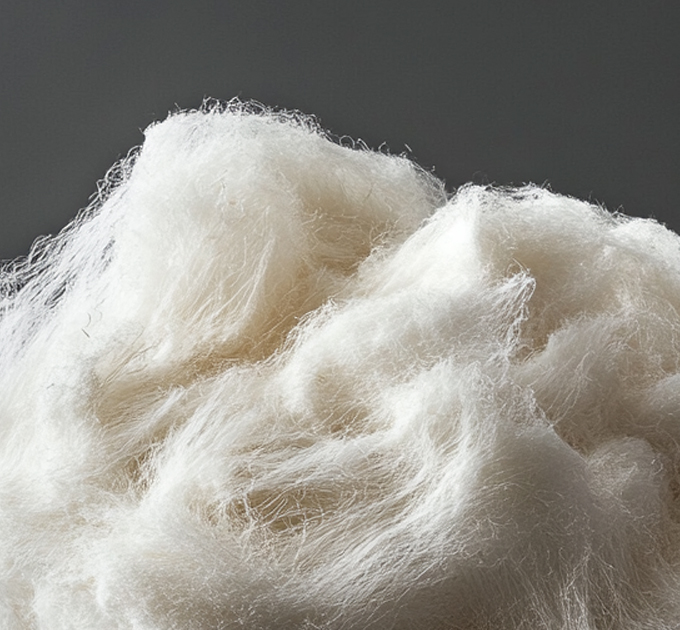
Sustainability in fashion is often a minefield of vague buzzwords. However, lyocell has a stronger claim to the title of an Eco-Friendly Fabric than almost any other commercial textile, provided specific manufacturing conditions are met. The environmental argument rests on three pillars: the manufacturing process, the raw material, and the energy input.
The primary differentiator for lyocell is the "closed-loop" production process. Older semi-synthetics like viscose (rayon) require chemically intensive baths that produce hazardous byproducts like carbon disulfide, which can be toxic to workers and the local environment.
Lyocell production utilizes an organic solvent called N-methylmorpholine-N-oxide (NMMO). This solvent is non-toxic and, more importantly, recyclable. In a proper lyocell facility, up to 99.5% of the solvent is recovered, filtered, and reused for the next batch of wood pulp. This creates a circular system where very little chemical waste exits the factory. Furthermore, the process is incredibly fast. While cotton takes months to grow and harvest, the conversion of wood logs into spinnable fiber can occur in a production cycle as short as three hours, allowing for high efficiency.
The input material for lyocell is cellulose, typically derived from eucalyptus trees. Eucalyptus is an agricultural powerhouse; it grows rapidly on marginal land that cannot support food crops, requires no artificial irrigation, and needs no pesticides. Compared to conventional cotton, which is notoriously thirsty, eucalyptus yields significantly more fiber per acre with 20% less water usage.
However, a "Traceability Problem" exists. Not all lyocell is created equal. The branded guarantees that the wood pulp comes from sustainably managed forests. Generic, unbranded lyocell does not offer this guarantee. It is possible for generic manufacturers to source wood pulp from endangered ancient forests or uncertified logging operations. To ensure the eco-credentials hold up, consumers should look for FSC (Forest Stewardship Council) or PEFC certification on the garment label.
There is a catch to the sustainability narrative. While the chemical process is clean, it is energy-intensive. Transforming wood into pulp and then into fiber requires significant heat and power.
If a factory in China or Indonesia powers its lyocell production using coal-fired grids, the carbon footprint of that "eco-friendly" shirt skyrockets. Conversely, production facilities in Austria or other regions utilizing renewable energy sources (like bio-energy from waste wood) maintain a low carbon profile. As highlighted by reports from Mistra Future Fashion and The Guardian, the energy source is often the deciding factor in the textile's true environmental impact. A clean chemical process cannot offset a dirty power grid.
Lyocell is strong, but it has a specific vulnerability that buyers must understand to avoid disappointment. This vulnerability is known as "fibrillation," and it is the primary reason consumers sometimes complain about their garments looking worn or "chalky" after only a few washes.
Lyocell fibers have a high crystalline structure. When the fabric is wet and subjected to abrasion—such as tumbling against jeans in a washing machine—the main fiber can splinter. These splinters are microscopic hairs called micro-fibrils.
When thousands of these micro-fibrils lift from the surface, they create a light fuzz. On light-colored sheets, this might feel like a soft peach skin, which some users enjoy. However, on dark black or navy clothing, this fuzz scatters light differently than the main fabric, causing the garment to look white, faded, or chalky. It creates a visual impression of aging that does not necessarily reflect the structural integrity of the cloth.
Textile manufacturers are well aware of this issue. High-end brands often utilize "cross-linked" lyocell. This involves a secondary chemical treatment that bridges the molecules within the fiber, locking them in place to prevent splitting. This "fibrillation-resistant" lyocell retains its smooth, glossy finish for years but typically commands a higher price point.
Despite the cosmetic risk of fibrillation, lyocell possesses a "Wet Strength Paradox." Most regenerated cellulose fibers, like standard viscose, become incredibly fragile when wet. If you pull a wet viscose shirt, it might tear. Lyocell acts differently; it retains high tenacity even when soaked. This makes it significantly safer to hand wash or machine wash than its predecessors, provided you manage the abrasion level to prevent the peach-fuzz effect.
To make an informed purchasing decision, it helps to see how lyocell stacks up directly against its main competitors. The following comparison highlights where lyocell excels and where it falls short.
| Feature | Lyocell | Cotton | Viscose/Rayon | Polyester |
|---|---|---|---|---|
| Moisture Mgmt. | Excellent (Absorbs & releases) | Good (Absorbs but holds wetness) | Moderate | Poor (Traps sweat, wicks only) |
| Durability | High (Strong wet or dry) | High (Can be boiled/scrubbed) | Low (Weak when wet) | Very High (Indestructible) |
| Skin Feel | Silky, Cool, Smooth | Crisp or Soft (varies) | Silky but heavier | Plastic-like, Insulating |
| Eco Impact | Low (Closed-loop process) | High (Water/Pesticide heavy) | High (Toxic chemical waste) | High (Microplastics, Oil-based) |
| Price | $$$ (Premium) | $$ (Variable) | $$ (Affordable) | $ (Cheap) |
Lyocell wins on drape and elegance. It hangs heavily and resists wrinkling far better than cotton, making it look more expensive. It also absorbs 50% more moisture than cotton, making it a superior Moisture-wicking Textile for sleepwear. However, cotton wins on maintenance. You can throw cotton towels in hot water and tumble dry them without fear. Lyocell requires gentle, cold care.
This is a clear victory for lyocell. While both feel similar, lyocell eliminates the toxic carbon disulfide used to make viscose. Furthermore, lyocell's structural integrity is vastly superior. Viscose garments often warp or lose shape after washing; lyocell maintains its dimensions much better.
The choice here depends on the activity. For high-intensity gym sessions, polyester mixed with spandex is still king because it is lightweight and hydrophobic. However, for daily wear, travel, or office attire, lyocell is preferable because it resists odors and is biodegradable. Polyester eventually degrades into microplastics; lyocell returns to the earth.
Switching to lyocell usually involves a sticker shock. It generally costs 20% to 30% more than mid-range cotton equivalents. Is this premium justified?
If you view clothing as an investment, lyocell often offers a better Return on Investment (ROI) regarding aesthetics. The fiber has a high absorption efficiency for dyes, meaning blacks stay black and reds stay vibrant long after cotton would have faded to grey. Additionally, lyocell resists shrinkage significantly better than cheap cotton if washed in cold water. You are paying upfront for a garment that looks "new" for a longer period.
There are specific scenarios where the properties of lyocell make it the mathematically superior choice:
Travelers: The wrinkle resistance and quick-drying nature of the fabric allow you to pack less. A lyocell shirt can be hand-washed in a hotel sink and air-dried overnight, ready for wear the next morning.
Hot Sleepers: For bedding, the temperature-regulating properties justify the cost. The improvement in sleep quality due to the "cold touch" factor offers a high daily value.
Capsule Wardrobes: If you own fewer clothes, they need to be versatile. Lyocell basics have a sheen that works in professional settings but a comfort level suitable for lounging, eliminating the need for separate "work" and "home" clothes.
Lyocell is not the answer for everything. It represents a low ROI for infant clothing. Babies produce stains that require hot water washing and harsh detergents, both of which degrade lyocell. Similarly, for heavy-duty workwear (like landscaping or construction), the abrasion resistance of heavy canvas cotton or synthetic blends is necessary. Lyocell is durable, but it is not armor.
Lyocell is not a perfect fabric, but it is currently the best scalable balance between luxury feel and environmental responsibility available on the market. It solves the moisture issues of cotton and the hygiene issues of polyester, all while utilizing a production method that respects the planet's resources.
However, realizing these benefits requires you to be a smart consumer. The fabric demands respect in the laundry room and scrutiny at the checkout counter. To ensure you get the high-performance material you are paying for, follow this buyer's checklist:
Verify the Brand: Look for verified lyocell branding to ensure the wood pulp was sourced sustainably.
Check for Fibrillation Resistance: On dark clothing, check tags or product descriptions for "cross-linked" or "fibrillation-resistant" terminology to avoid the whitening effect.
Commit to Care: If you are not willing to wash in cold water and air dry (or tumble low), stick to cotton. Lyocell rewards care with longevity.
A: Yes, lyocell typically shrinks about 3% during the first wash. This is considered normal stabilization for the fabric. To prevent further shrinkage, you should always wash in cold water and avoid high-heat tumble drying. Air drying is the safest method to maintain the original dimensions of the garment.
A: Lyocell has a moderate amount of natural mechanical give/drape, but it is not inherently elastic like rubber. If you are buying activewear or fitted clothing, look for lyocell blended with Elastane or Spandex to achieve the stretch required for movement.
A: No, lyocell is the opposite of waterproof. It is highly hydrophilic, meaning it loves water and absorbs it rapidly. If you get caught in the rain, the fabric will absorb the water and become heavy. It is not suitable for rainwear unless treated with a separate water-repellent coating.
A: This phenomenon is called "fibrillation." It happens when the fibers splinter due to friction inside the washing machine. To fix or prevent this, always wash lyocell garments inside out, use a gentle cycle, and avoid washing them with rough items like denim jeans or zippered jackets.


