


Views: 0 Author: Site Editor Publish Time: 2025-12-16 Origin: Site


The reality is that lyocell fiber is incredibly durable, but it behaves differently than cotton or polyester. It is hydrophilic, meaning it loves water, but it becomes sensitive to friction while wet. Understanding this unique property is the key to maintaining its lifespan. This article provides a scientifically grounded Fabric Care Guide designed to protect your investment. By mastering a few simple techniques, you can ensure your sustainable wardrobe remains pristine for years.
Water Volume Matters: Unlike cotton, Lyocell needs high water volume to reduce friction; turn off "eco/water-saving" modes.
The "Woody" Panic: Lyocell feels stiff and rigid when wet. This is normal—do not panic; it softens immediately upon drying.
No Heat, No Friction: Heat causes shrinkage; friction causes pilling. Avoid dryers and abrasive washing partners (like denim).
Construction Dictates Drying: Hang woven shirts; lay knit sweaters flat.
To care for your clothes effectively, you must first understand what happens to the material at a microscopic level during the wash cycle. Lyocell is a cellulosic fiber derived from wood pulp. Unlike synthetic fibers that repel water, cellulose is hydrophilic. It absorbs moisture rapidly and swells significantly when wet. This physical swelling changes the structural integrity of the fabric temporarily. The fibers become rigid and less flexible, which explains why the fabric feels so different straight out of the washing machine.
The most distinct characteristic of this material is a phenomenon called fibrillation. Because the fiber structure is highly crystalline, wet abrasion can cause the outer layer of the fiber to peel away. Think of this as the microscopic splitting of ends. When controlled during manufacturing, this creates a peach-skin texture. However, if uncontrolled during laundry, it leads to an uneven, fuzzy surface.
This structural vulnerability is why adopting a Gentle Wash Fabric routine is non-negotiable rather than just a suggestion. Aggressive agitation causes these micro-fibrils to tangle, resulting in unsightly pilling that ruins the garment's sheen.
Shrinkage is the other primary concern for protecting your return on investment (ROI). Because cellulose fibers swell with water, they naturally want to contract as they dry. However, the extent of this shrinkage depends heavily on quality and construction.
Standard Expectations: High-density or compact-spun Lyocell generally shrinks between 1% and 3%. This is the industry standard and often unnoticeable to the wearer.
High-Risk Categories: Loose knits, jersey fabrics, or non-preshrunk garments can shrink anywhere from 5% to 8%.
Understanding this distinction is vital. Minor shrinkage is a characteristic of the natural material, but extreme shrinkage is almost always a result of handling errors—specifically the use of heat or improper agitation.
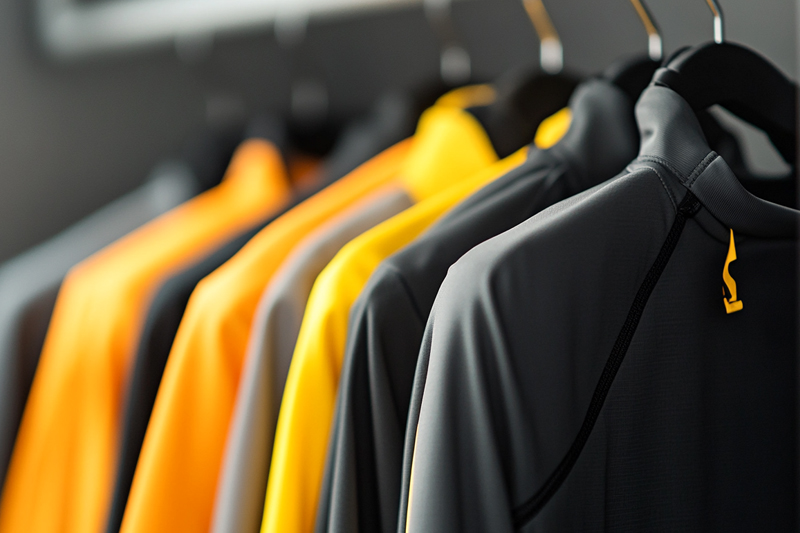
The golden rule for washing Lyocell is to minimize mechanical action and heat. Your goal is to clean the garment while subjecting it to as little physical stress as possible. Following this protocol will preserve the smooth surface and color vibrancy.
Preparation is just as important as the wash cycle itself. Friction is the enemy. When you throw a shirt into the drum loosely, the outer surface rubs against other clothes, metal zippers, and the drum walls. To prevent this, always turn garments inside out. This simple step ensures that any mechanical abrasion happens on the inner face of the fabric, protecting the visible outer sheen.
You must also close all zippers, buttons, and hooks. An open zipper is essentially a saw blade against wet, swollen fibers. For the ultimate protection, use a mesh laundry bag. This isolates the fabric entirely from the rest of the load, significantly reducing the risk of snagging or pilling.
Modern washing machines are often too efficient for their own good when it comes to delicate fabrics. They use minimal water to save energy, which increases friction. For Lyocell, you need to override these defaults.
| Setting | Recommendation | Why It Matters |
|---|---|---|
| Cycle Type | Wool, Hand Wash, or Delicate | Reduces drum agitation time and intensity. |
| Temperature | Cold to 30°C (Max 40°C for bedding) | Heat relaxes fibers too much, leading to irreversible shrinkage. |
| Spin Speed | Max 600 RPM | High centrifugal force crushes wet fibers, creating deep, unbreakable creases. |
| Water Level | High / Deactivate "Eco" Mode | High water saturation allows the fabric to "float," reducing friction against the drum. |
Crucial Expert Tip: If your machine has a "Water Plus" or "High Water" setting, use it. The fibers need to be fully saturated and suspended in water to avoid rubbing against themselves.
Chemical damage can be just as harmful as physical damage. You should use a pH-neutral, mild liquid detergent. Avoid powders at all costs; undissolved granules act like sandpaper on the fabric surface. Bleach is also strictly forbidden as it dissolves cellulose fibers, leading to holes and yellowing.
Furthermore, avoid fabric softeners. While it seems counterintuitive, softeners coat the fibers in a waxy film. This film ruins the moisture-wicking properties and breathability that make Lyocell so desirable in the first place.
The drying phase is where most panic occurs. If you have ever pulled a Lyocell shirt out of the washer and felt it, you know the sensation: it feels like hard canvas, stiff paper, or even wood. This "woody" sensation is completely normal.
Because the fibers have swelled with water, they become rigid. Many users mistakenly believe they have ruined the softness of the garment. Do not panic. Do not try to soften it by wringing, twisting, or rubbing the fabric together. Wringing wet Lyocell breaks the fibers and causes permanent white crease lines.
The fabric will naturally return to its silky, soft state as soon as the moisture evaporates and the fibers return to their normal size. Trust the process.
How you dry the item depends entirely on how it was constructed. Gravity affects wet garments differently depending on the weave.
Wovens (Shirts, Dresses, Trousers): These should be air-dried on hangers. Use wide or padded hangers to prevent the weight of the water from creating "shoulder bumps." Ensure there is plenty of airflow around the garment.
Knits (Sweaters, T-shirts): Never hang a wet knit. The weight of the water will drag the fabric downward, causing irreversible vertical elongation. Lay these items flat on a drying rack or a clean towel away from direct sunlight.
Tumble dryers are the fastest way to destroy Lyocell. The combination of heat and tumbling action is catastrophic. The heat shrinks the fibers, while the tumbling creates intense friction that leads to severe pilling. Even "low heat" settings pose a significant risk. While some risky enthusiasts suggest using a "cool air only" cycle for five minutes to release wrinkles, we advise against it. The safest route is always air drying.
Once your garment is dry, it may have some texture or wrinkles. This is characteristic of natural fibers. Restoring that pristine, glass-like finish requires the right tools.
Steaming is the preferred method for removing wrinkles from Lyocell. The steam introduces just enough moisture to relax the cellulose bonds, instantly softening any remaining stiffness and releasing wrinkles without crushing the fabric pile. It is gentle, effective, and safe.
If you must iron, proceed with caution. Use the "Synthetic" or "Warm" setting. Never use high heat. Direct steam from an iron can sometimes "spit" water, leaving spots that require re-washing to remove. If you are ironing, always use a pressing cloth between the iron and the garment to prevent "glazing" (shiny spots caused by melted fibers).
Even with perfect care, surface friction during wear can lead to minor pilling, especially in loose knits or blends. A valuable Garment Maintenance Tip is to address this early. Do not pull pills off by hand, as this pulls the healthy fiber out further. Instead, use a high-quality fabric shaver or a pill comb. Gently glide it over the surface to sever the fuzz without damaging the structural integrity of the weave.
Extending the life of your wardrobe isn't just about how you wash; it is about how you store. Lyocell has natural antibacterial and odor-resistant properties, meaning it requires less frequent washing than cotton or synthetics.
Wash your garments less often. If an item isn't visibly dirty, simply air it out. Hanging a shirt in a breezy room or a shaded outdoor area for 24 hours can refresh the fibers and neutralize odors effectively. You can also use a gentle garment refresher spray to extend the time between washes.
Because Lyocell is made from wood pulp, it is technically a food source for certain pests. Silverfish and moths are attracted to cellulose. To prevent damage, store your items with natural repellents like cedar blocks or lavender sachets.
Sunlight is another silent destroyer. Prolonged exposure to UV rays can degrade the fiber strength and cause dyes to fade unevenly. Always store your clothes in a dark closet. Furthermore, never leave them in the plastic bags from the dry cleaner. Plastic traps moisture and chemicals, leading to yellowing. Use breathable cotton garment bags or leave them uncovered to allow the fabric to breathe.
Caring for Lyocell requires a shift in mindset. It demands a move away from the "toss it in and forget it" convenience of modern laundry and toward a more intentional approach. While this cleaning process takes slightly more effort, the payoff is substantial. Proper care shifts the cost-of-ownership model; your garments will retain their shape, texture, and color significantly longer, maximizing your investment.
Always verify your specific care label before proceeding. Blends dictate the strictest limitation—for example, a Lyocell/Silk blend requires far more caution than a Lyocell/Cotton blend. By following this guide, you ensure that your sustainable fashion remains a staple in your rotation for years to come.
A: No, you should avoid the dryer entirely. Even low heat can cause shrinkage, and the tumbling action creates friction that leads to pilling. The only exception is if the care label explicitly states "Tumble Dry Low," but air drying is always the safer option to prolong the garment's life.
A: This is normal. Lyocell fibers are hydrophilic and swell when wet, becoming rigid. Do not wring the fabric. Simply let it air dry, and the fibers will relax and return to their original soft, silky texture once the moisture evaporates.
A: Yes, white vinegar is generally safe for Lyocell and is a much better alternative to chlorine bleach. It can help remove odors and light stains without damaging the cellulose structure. However, always dilute it with water and test on a hidden area first.
A: Dry cleaning is generally unnecessary for everyday Lyocell items like t-shirts or bedding. It is expensive and uses harsh chemicals. However, for structured garments like lined blazers or complex dresses, dry cleaning may be required to maintain the shape of the internal lining.
A: High-quality Lyocell typically shrinks less than cotton, usually around 1-3%. However, lower-quality or loose knits can shrink up to 5-8% if washed in hot water or dried with heat. Always wash cold to minimize this risk.


